
Agri Platinum · Safe drinking water for rural Africa
Communities across Africa are asking for safe drinking water.
We make their water safe to drink.
Water can look clean and still make people sick.
Children are suffering and dying from waterborne diseases.
Compact, solar-powered water treatment systems — installed, managed, and monitored across Africa.
We source international grant funding, so the water is free at the tap.
The water is free at the tap.
Funded, never charged.
Your community owns the plant from day one.
You just ask. We handle the rest.
Safe for homes, schools and clinics.
The germs behind cholera, typhoid and dysentery are removed.
Already proven.
Our systems run in three African countries.
Tap the button to start your request
Request Your Water Treatment PlantThe Water Crisis In Africa
These are not projections. This is happening right now.
children under five die every day from diseases caused by contaminated water and poor sanitation
UNICEF / WHO
children in Africa die every year from diarrhoeal diseases linked directly to unsafe water
WHO Africa Region
people in sub-Saharan Africa still lack basic safe water services
WHO / UNICEF JMP 2023
spent every day by women and girls in Africa walking to collect water instead of attending school or earning a living
UNICEF
is when sub-Saharan Africa is projected to achieve universal clean water access. In 2015, every nation committed to clean water for all by 2030 — the United Nations Sustainable Development Goal 6. Africa will miss this target by decades.
UN-Water / JMP
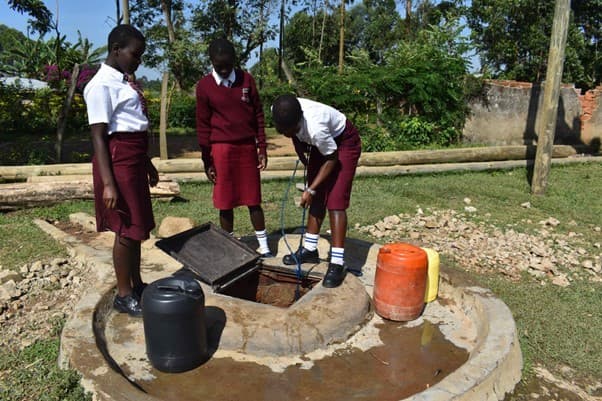
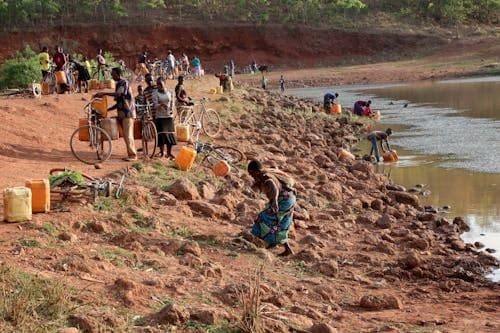
These girls walk for hours — only to bring home water that can make their families sick
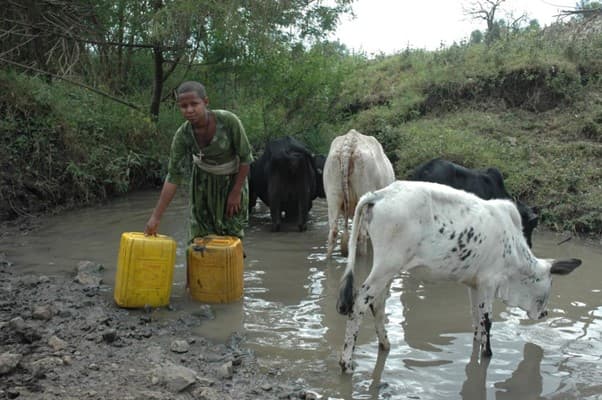
Families drink from the same untreated water source as livestock
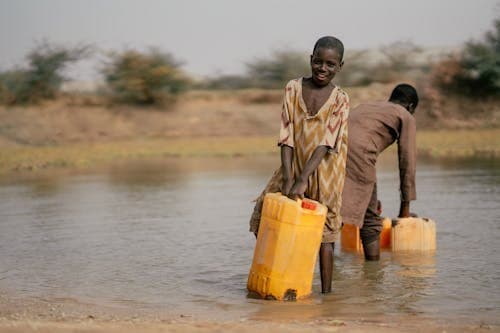
There is water — but it has never been treated. Would you drink it?
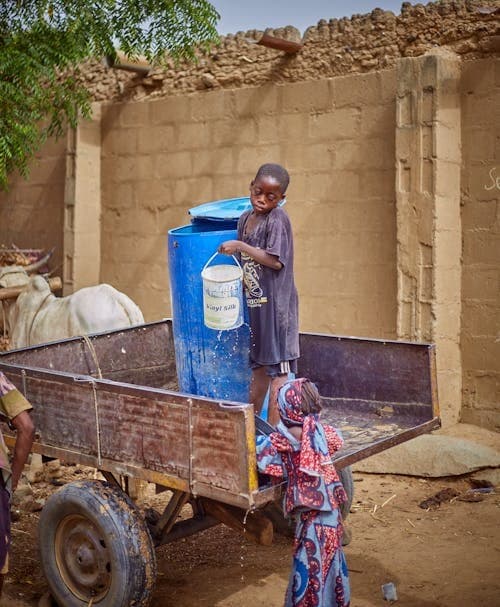
Their sacrifice is wasted if the water they carry home is contaminated
The Cost Of Dirty Water — And The Return On Fixing It
Waterborne disease does not strike one person — it takes down the whole family:
- —Children miss school, sick with cholera, typhoid, and dysentery
- —A sick mother cannot care for her children or put food on the table
- —A sick father cannot work — and the household income goes with him
- —Girls spend hours fetching water that is contaminated anyway
- —Clinics cannot prevent infection when their own water is unsafe
The cycle repeats, generation after generation — until the water is treated.
The World Health Organisation calculated that every $1 invested in clean water and sanitation returns $4 to $12 — in healthcare costs saved, school days kept, productive hours gained, and household income protected.
Safe drinking water is not charity. It is one of the highest-return investments in human development.
The Missing Piece: Water Treatment
Billions are spent bringing water to communities.
Almost nothing is spent making sure that water is safe to drink.
Governments, development banks, and aid organisations have spent billions of dollars on water supply across Africa — boreholes, pipes, dams, and distribution networks. This is essential work. But supply is only half the problem.
A borehole delivers water. A pipe moves it. Neither makes that water safe to drink — it can still carry the bacteria, parasites, heavy metals, and chemical contaminants that cause cholera, typhoid, dysentery, and chronic illness.
This is the gap. Across sub-Saharan Africa, communities have water infrastructure — but the water itself is untreated and unsafe. The infrastructure exists. The treatment does not.
Where The Money Goes: Supply
- +The World Bank committed $1.58 billion to water access in Eastern and Southern Africa — focused on supply infrastructure
- +An estimated $114 billion per year is needed globally just to meet SDG 6 water and sanitation targets — the vast majority is earmarked for infrastructure, not treatment
Where The Money Is Missing: Treatment
- —Less than 30% of water supply in sub-Saharan Africa is treated before distribution (JMP/WHO)
- —Over 50,000 water points across Africa have been abandoned because maintenance and treatment were never funded
Rural communities are the most neglected — large treatment plants are built for cities, but villages get nothing.
Schools And Clinics: A Borehole Is Not Safe Water
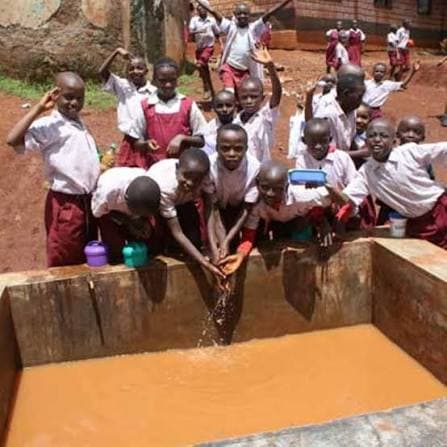
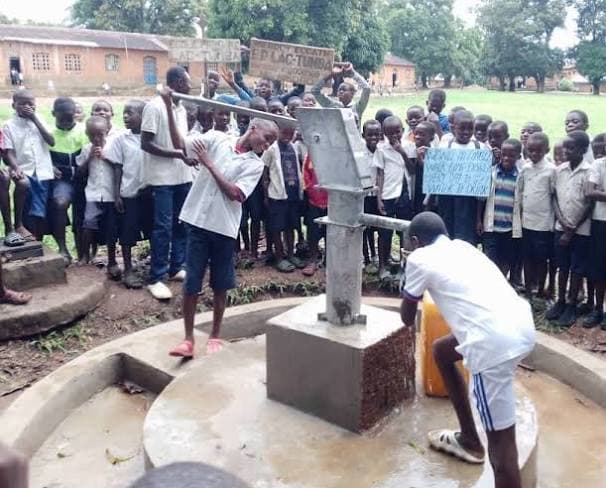
These are real schools. The water is brown, untreated, and children are drinking it right now — because someone installed a borehole and called it clean water.
Clear water is not safe water. Groundwater can carry bacteria, parasites, fluoride, and arsenic — invisible to the eye, and rarely tested at rural water points.
Clinics face the same reality: without treated water they cannot sterilise instruments or wash wounds safely. In some facilities, patients are told to bring their own water.
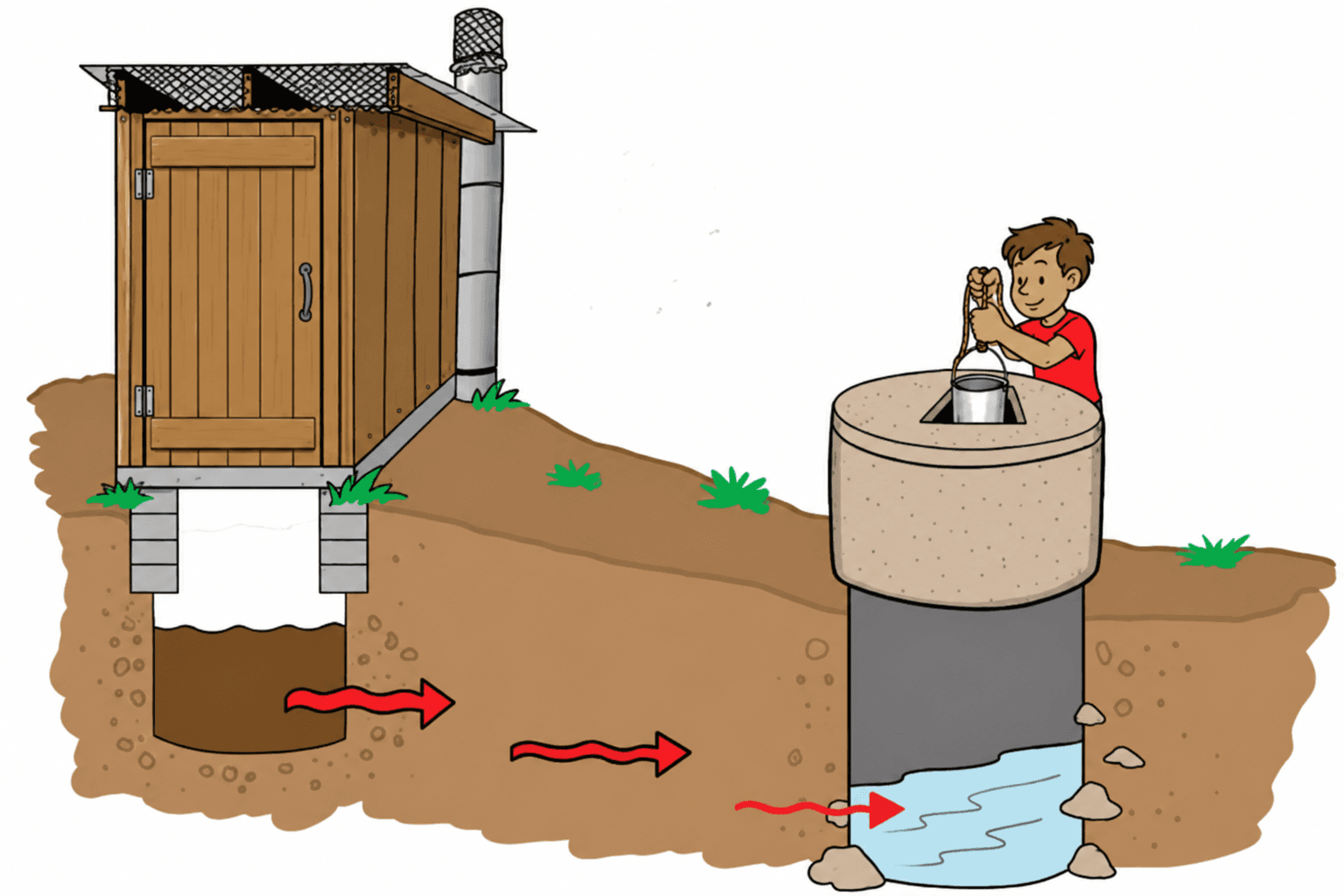
What Is Actually Happening Underground
Every rural school and clinic has pit latrines. The sewage from those latrines seeps through the soil into the same groundwater that the borehole draws from.
The child uses the toilet. The waste enters the ground. The ground feeds the well. The same child drinks it.
This is where Agri Platinum comes in. Our primary service is the one that is missing: compact, proven water treatment systems that take whatever water source exists and make it safe to drink.
The water is there. We make it clean.
Compact Clean Water Treatment
Agri Platinum deploys proven, compact water treatment systems that convert contaminated water into safe drinking water. Solar-powered, low-maintenance, designed for African conditions — from rural villages to towns of 30,000 people.
Every installation is a complete treatment solution: we treat the community's existing water source and deliver safe water to a connection point for distribution. Every project includes:
- The treatment plant and treated-water storage
- The concrete and civil works
- The solar power
- Trained local operators to run it all

Solar Powered
Operates off-grid
Compact Design
Small footprint, rural settings
Locally Operated
Community members trained, jobs created
Remotely Monitored
Real-time camera and satellite monitoring
Complete Chain
Treatment and storage up to a connection point for distribution
Proven Technology
Patented since 2008, multiple countries
Six-Stage Treatment Process
Each plant is configured to its site's specific water quality profile — no one-size-fits-all. From aeration and sedimentation through filtration and contaminant removal to UV sterilisation and residual disinfection, every stage targets what is actually in the water.
The result: the diseases that kill — cholera, typhoid, dysentery, E. coli, hepatitis, and the parasites behind chronic illness — are destroyed before the water reaches a single cup. That is the objective of everything we do: the elimination of waterborne disease.
Open the technical detail: the six stages and what they remove+
Aeration
Dissolved iron and manganese are oxidised into filterable particles
Sedimentation
Heavy particles and turbidity settle out under gravity
Up-Flow Filtration
Multi-media filters remove suspended solids, bacteria, and parasites
Contaminant Removal
Adsorption media removes excess fluoride and site-specific pollutants
UV Sterilisation
Ultraviolet light destroys bacteria, viruses, and parasites without chemicals
Residual Disinfection
Precise chemical dosing protects treated water during storage and distribution
What These Stages Remove
- Bacteria & Viruses — UV sterilisation destroys cholera, typhoid, E. coli, dysentery, hepatitis, and parasites — the waterborne diseases that kill children across Africa
- Excess Fluoride — Groundwater across Africa carries fluoride at levels up to 10× the WHO safe limit — crippling bones and permanently damaging children’s teeth
- Iron & Manganese — Common in boreholes across the continent — turns water orange, gives it a metallic taste, and neutralises chlorine so standard disinfection fails
- Turbidity & Suspended Solids — The visible contamination that makes untreated surface water unsafe
- Chemical Contaminants — Site-specific pollutants identified through water quality analysis before installation
We Revive Broken Water Schemes.
A plant that stands but does not run. A scheme that delivers water that is not safe. Africa is full of them — built, handed over, and left to fail.
Agri Platinum brings them back:
- —We assess the scheme's condition
- —We repair and restart plants that stand idle, broken, or badly run
- —We restore or add treatment so the water is actually safe to drink
- —We manage operations professionally — operators, chemicals, maintenance, oversight
- —The scheme stays the property of its owner, and the licensed service provider stays in place
- —The treatment we add never increases what water users pay
If your county or community has a water scheme that is not delivering safe water, that is exactly the kind of project we take on. Talk to us about it.
Complete Sanitation: We Also Provide Sewerage Treatment
Untreated sewage contaminates the very water sources communities depend on for drinking water. Agri Platinum addresses both ends of the cycle — safe water in, treated waste out. Three sewerage plant types are available, including a non-electrical option for areas without power, producing treated water for irrigation and sludge for compost.
Proven Across Africa
Our systems are operating in South Africa, Eswatini, and Zambia — from village scale to 3 million litres per day
Kaputa, Zambia
3 ML/day
Potable Water Treatment

Matsapha, Eswatini
4 ML/day
Potable Water Treatment

Kwamamba, Eswatini
2 ML/day
Potable Water Treatment
Sappi, South Africa
25,000 L/hour
Potable Water Treatment

Mganduzweni, South Africa
2 ML/day
Potable Water Treatment

Mashadza, South Africa
1 ML/day
Potable Water Treatment

Karino, South Africa
262,000 L/day
Potable Water Treatment

Lindley, South Africa
2 ML/day
Sewerage Treatment
Independent water quality testing verified — results available on request
Technology patented since 2008 (worldwide patent pending)
Funders and stakeholders can verify performance through real-time camera and systems access
Active Across Africa
CCWT systems can be installed in any stable African country. Here is where we are working now.
If your community needs safe drinking water and is not listed here, contact us. We are actively expanding to meet the demand across the continent.
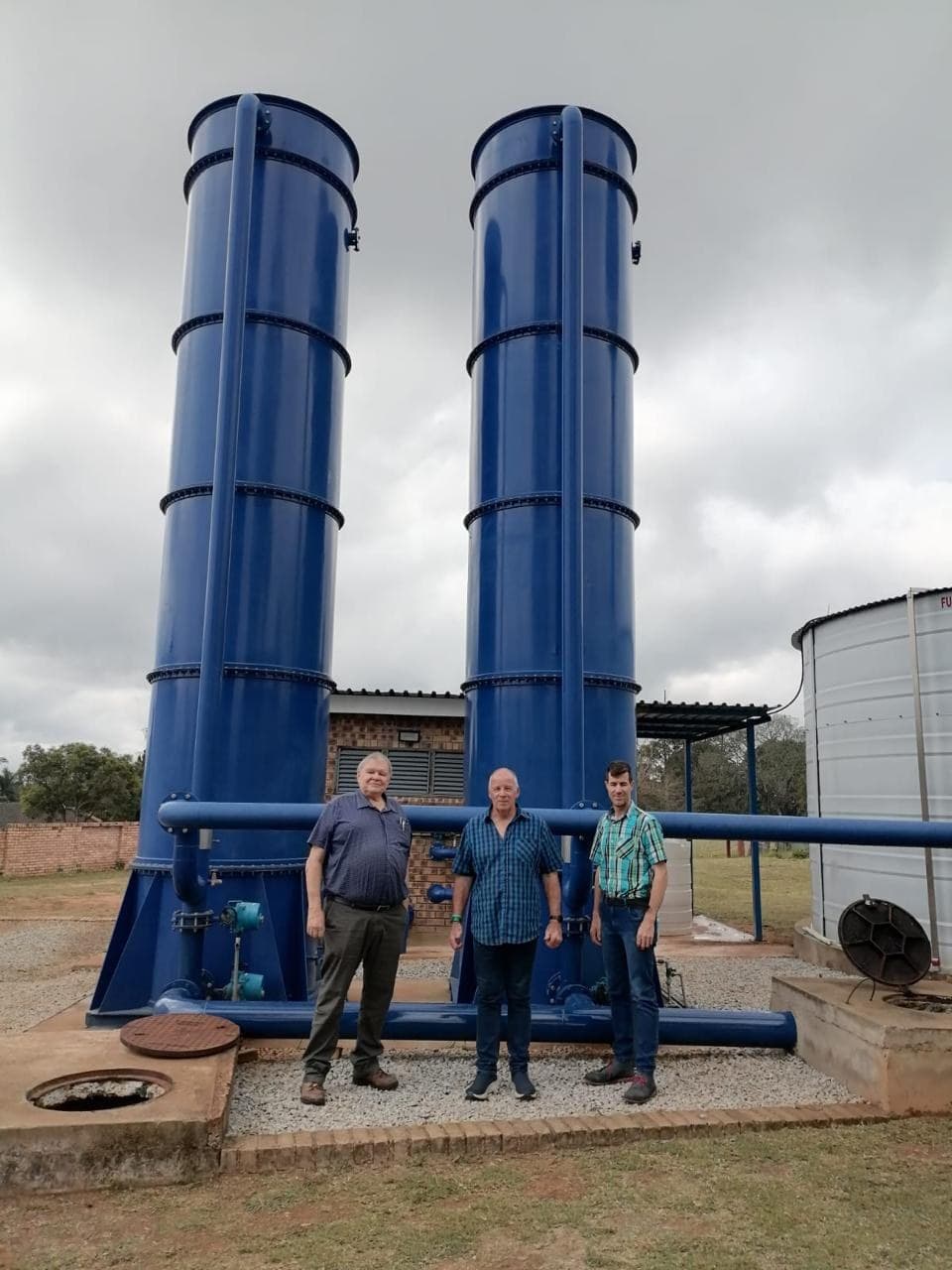
Our Team On Site.
This is the build standard we bring to every community. We add our own treatment stages as the specific site conditions require, plus professional management.
Added Where The Site Needs It
- Fluoride removal where the groundwater carries fluoride
- Iron removal where boreholes are high in iron
- Removal of excess salinity where the source requires it
- Disinfection against E. coli and other disease-causing germs
- Solar power where there is no reliable electricity
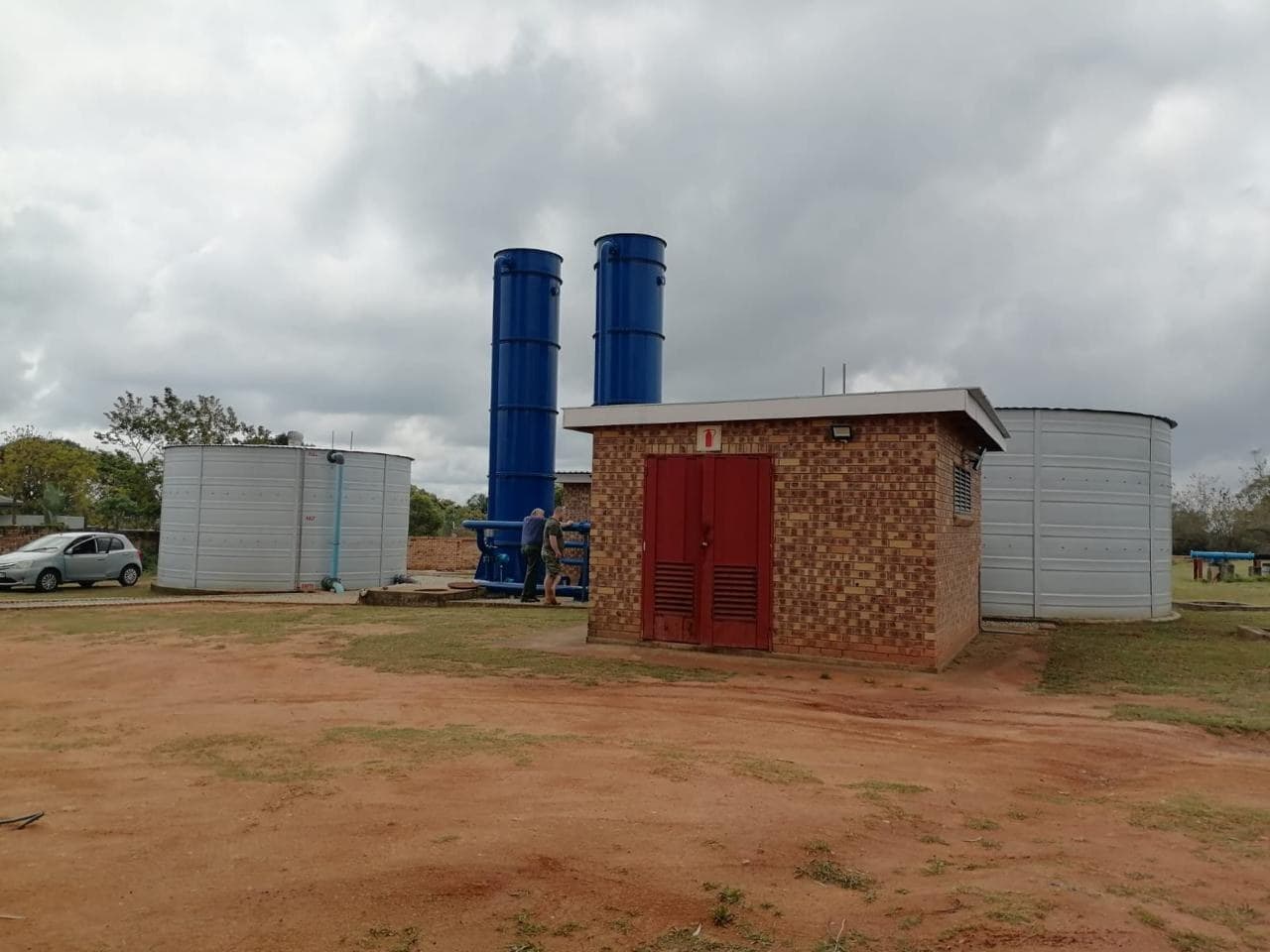
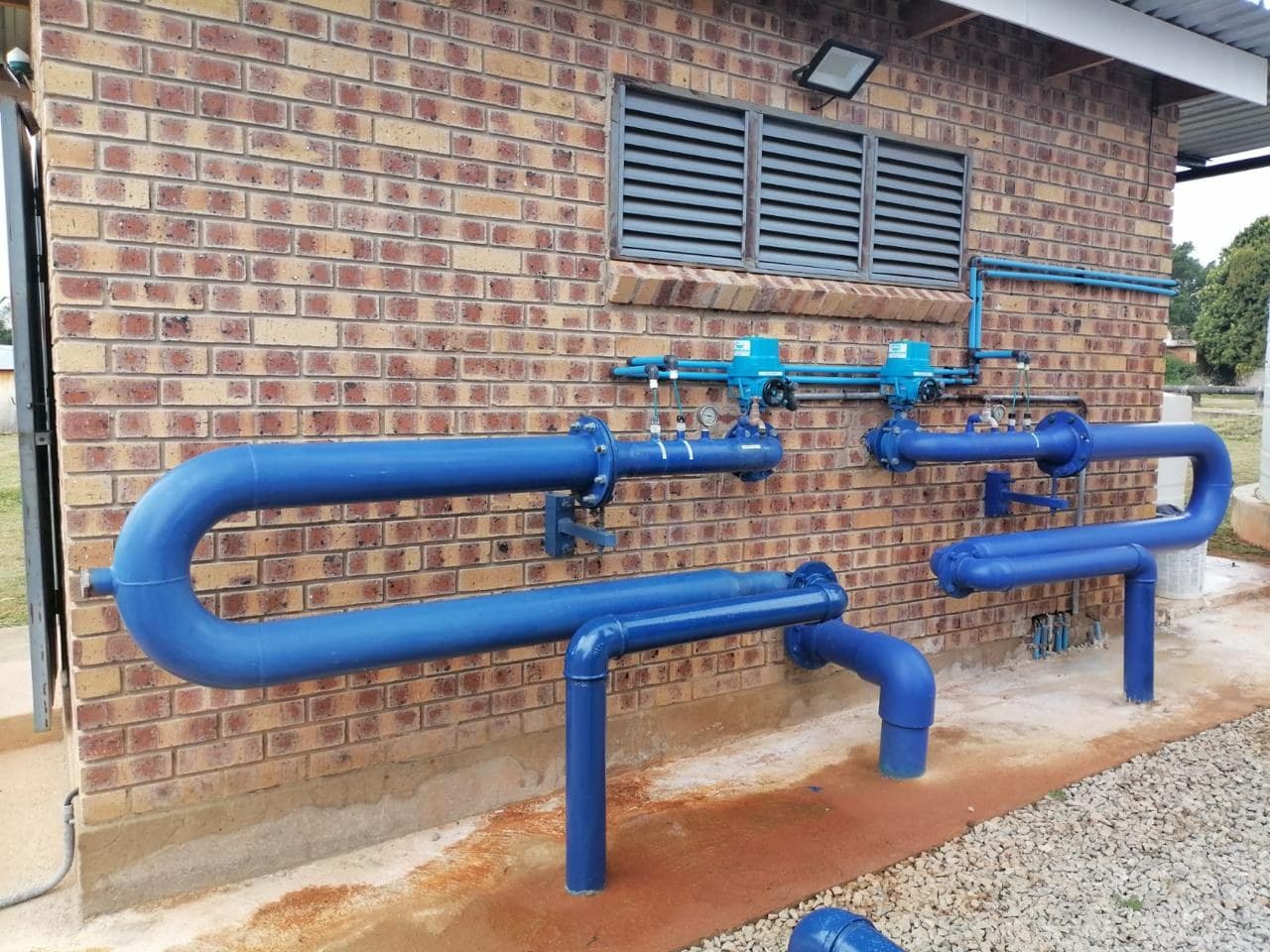
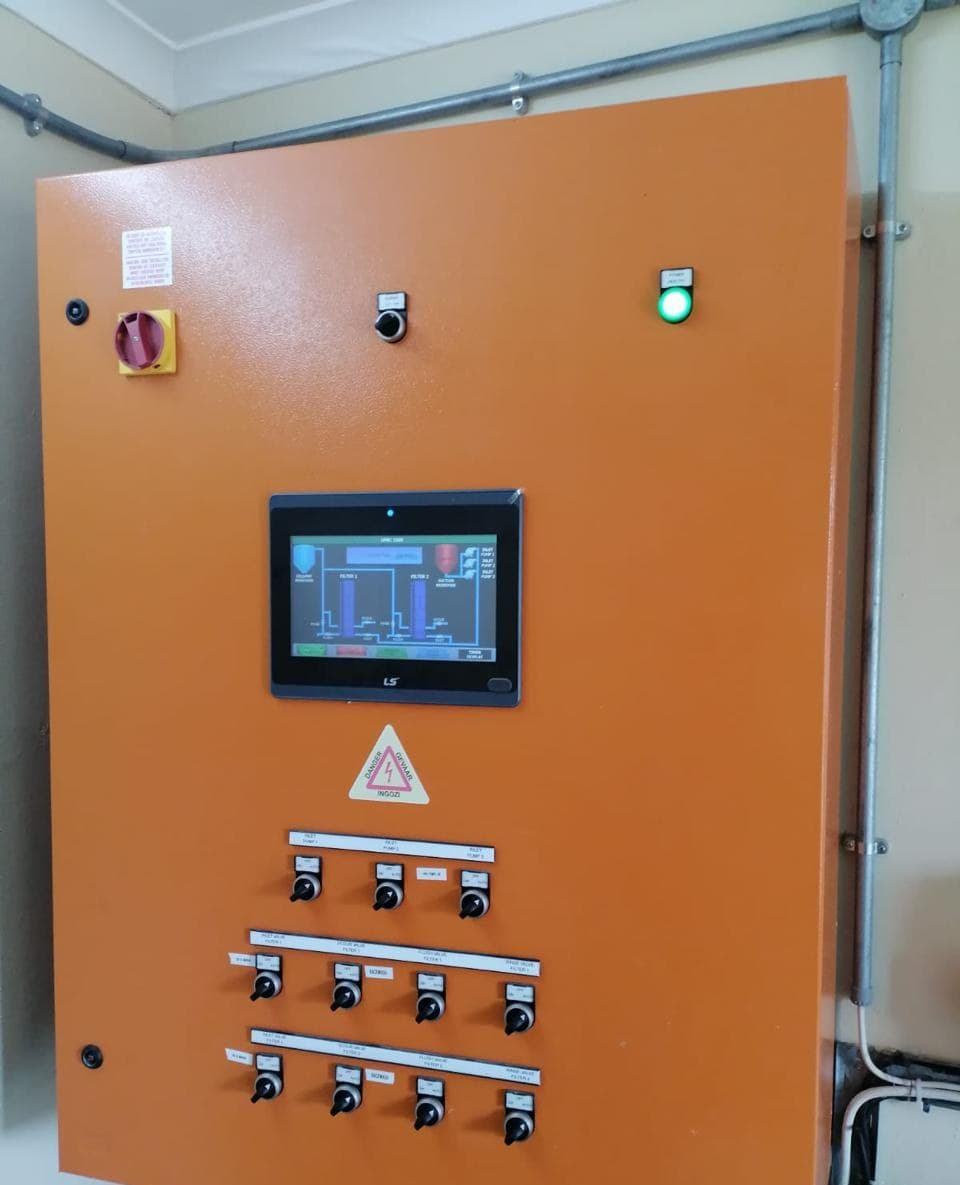
In every Agri Platinum project, our technical partners build the plant and Agri Platinum manages its operation.
How We Work
Community Need Identified
A community, government official, or district leader contacts Agri Platinum with a request for safe drinking water.
Site Assessment
Water source evaluation, quality testing, population study, and engineering feasibility — everything needed to design the right solution.
Funding Sourced
Each project is matched to appropriate funding partners. A tailored proposal is prepared with full costings and implementation plan.
Installation
CCWT system built, installed, and commissioned. Local operators are recruited from the community and trained on-site.
Ongoing Management
Throughout the managed period, Agri Platinum supplies specialised treatment chemicals monthly, conducts regular site visits, and maintains continuous oversight of system performance. Local operators receive ongoing support and training on the ground.
Every project is funded for a minimum of two years of full operations — not just the construction.
Managed. Not Just Built.
A water treatment plant requires daily operation, monthly chemical supply, trained operators, and professional oversight — every single day.
More than 50,000 water points across Africa sit abandoned — many failed not because the hardware broke, but because nobody managed them. Agri Platinum does not sell equipment. We manage water treatment operations.
Monthly Chemical Supply
Specialised treatment chemicals delivered on schedule — substitutes damage filtration and infrastructure, so the supply chain is managed, never left to chance
Trained Local Operators
Community members recruited, paid, trained, and certified. Four operators and four security staff per plant — salaried positions, not volunteers
AP Control Centre
Every plant is connected to Agri Platinum's central control centre via satellite internet — plant performance monitored continuously from South Africa, with live camera coverage of the installation
Water Quality Testing
Routine operator testing daily, periodic independent laboratory verification against WHO drinking-water guidelines, independent split samples
Maintenance & Repairs
Scheduled preventive maintenance — daily, monthly, and annual routines with critical spares held on site. Rapid repair response when needed
Funder Reporting
Comprehensive operational records, compliance reports, and transparent accountability to every funder and stakeholder
Stakeholder Access — See It Working
Funders, project champions, and everyone who helped make a project happen do not have to take our word for it. Agri Platinum's secure online platform gives authorised participants direct visibility into every plant they are involved with:
- Live camera feeds from the installation
- Water quality data and test results in real time
- Operational, chemical, maintenance, and community impact records
A funder in Europe can watch safe water flowing from a plant in Africa. Full transparency, no intermediaries.
Built To Last
Why Free Water Works
International grant funding covers the plant and every operating cost of the funded managed period — staff, chemicals, monitoring, maintenance — so communities do not pay for the water they drink. Cost-recovery models have failed across rural Africa. We solve this at the funding stage, not at the tap.
Ownership Protected By Design
The traditional leader or local authority is the recognised custodian of every installation. The system cannot be taken away, sold off, or redirected. Agri Platinum manages operations and maintains standards, but the community’s ownership is guaranteed from the first day.
After The Funded Period
The funded managed period is normally two years, and longer where the community’s request asks for it. After that, the plant runs on income from a community enterprise built on the plant’s own by-products, plus continuation financing arranged well before handover. User fees are never the plan: the water stays free at the tap.
Planned For Growth
Every system is sized using ten-year population projections, not today’s headcount. Communities grow. We plan for that from day one, so the infrastructure you invest in today still serves the next generation.
The Team Behind Agri Platinum
Decades of Africa experience. Proven delivery. On the ground.
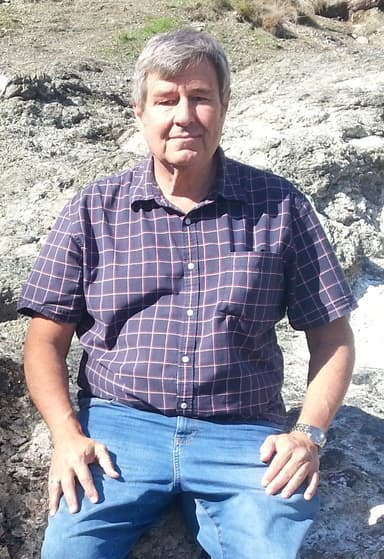
Stanley Winterbach
Founder. Project Planning & Marketing
More than 30 years of experience across Africa, including working at government minister and governor level. Deep understanding of African cultures, languages, and rural communities. The connector who brings the right people together to deliver safe drinking water where it is needed most.
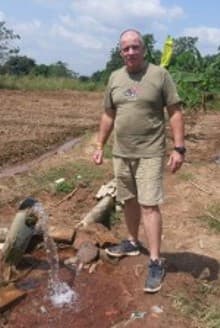
Bryan Van Niekerk
Operations and Project Director
Big Four professional services background. Leads funder engagement and the preparation of funding application packages. Has sourced international funding — including Swiss funding — for large-scale agricultural projects. Established and managed major operations across South Africa, Namibia, and Egypt. Knows how to structure funding proposals that get approved and deliver projects that perform.
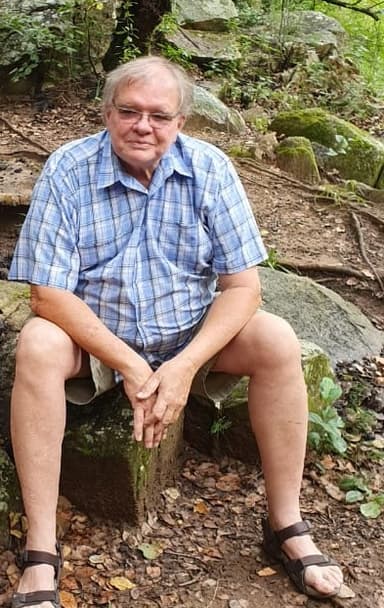
Andre Laubscher
Technical Advisor
Eight years managing CCWT water treatment operations at Sappi Forestry, a company listed on the Johannesburg Stock Exchange. Hands-on experience with daily operations, operator training, maintenance, and community-level plant management in rural South African conditions. The man who knows these systems inside and out.
Get In Touch
Every community is different. Project details — including technical specifications, costings, timelines, and funding structure — are tailored to each location and discussed directly with stakeholders. Contact us and we'll take it from there.
Request Safe Drinking Water For Your Community
Does your community need safe drinking water? We are selecting communities across Africa for funded water treatment systems. Your community may need a new plant, or may already have a water scheme that no longer delivers safe water — both requests are welcome. You do not need to prepare a formal document — just answer the simple questions below.
For Funders, Partners & Organisations
Whether you represent a funding organisation, a government ministry, an NGO, or a private foundation — we welcome your enquiry.
Contact Us Directly
Prefer to reach out directly? The details above are always available.